Exploring the Past, Present, and Future with Erikson’s Life Stages: A Powerful Tool for Self-Understanding
In counselling, helping clients make sense of their life story can be a transformative process. When individuals feel stuck, disconnected, or uncertain about the direction of their lives, it’s often helpful to look back at the stages they’ve passed through—and forward to those still to come. Erikson’s Life Stages, based on the work of developmental psychologist Erik Erikson, offer a clear and compassionate framework for doing just that.
As a psychoeducational tool, Erikson’s model can support clients in reflecting on the challenges they’ve faced, the strengths they’ve developed, and the unresolved experiences that may still impact their emotional wellbeing.

What Are Erikson’s Life Stages?
Erikson proposed that human development unfolds in eight distinct psychosocial stages (or nine if you separate out Adolescence into two separate stages as below), each centered around a core conflict or developmental task. These stages span from infancy to late adulthood, and according to Erikson, how we navigate each one shapes our identity, resilience, and emotional health.
Here’s a simplified overview of the stages:
1. Trust vs. Mistrust (Infancy) – Building trust in caregivers and the world.
2. Autonomy vs. Doubt and Shame (Toddlerhood) – Developing a sense of independence.
3. Initiative vs. Guilt (Early Childhood) – Learning to take initiative and explore.
4. Competence vs. Inferiority (School Age) – Building confidence through achievement.
5. Group Identity vs Alienation (Early Adolescence) – Group Relationships.
6. Identity vs. Role Confusion (Adolescence) – Exploring personal identity and values.
7. Intimacy vs. Isolation (Young Adulthood) – Building deep relationships and emotional connection.
8. Productivity vs. Stagnation (Middle Age) – Contributing to others and finding purpose.
9. Integrity vs. Despair (Senior Age) – Reflecting on life with acceptance and wisdom.
How This Model Supports Clients in Therapy
1. Creates a Narrative Framework
Many clients benefit from viewing their life as a story. Erikson’s stages provide a structured, age-based way to map that story and reflect on how earlier experiences have shaped their current patterns, beliefs, and challenges. This can be particularly helpful for clients struggling with identity, purpose, or life transitions.
2. Normalises Emotional Struggles
Each stage comes with its own conflict—and recognising that struggle is a normal, expected part of development can help reduce shame or self-judgement. Clients often feel relief when they see that what they’re experiencing is part of a broader human journey.
3. Encourages Exploration Across the Lifespan
The model helps clients look backward, but also forward. It can highlight “unfinished business” from earlier stages, and bring clarity to future goals. For example, a client in midlife may realise they’re feeling stagnant and unfulfilled, prompting reflection on their values and how to create deeper meaning (the “generativity vs. stagnation” stage).
4. Bridges Psychoeducation and Self-Insight
Introducing Erikson’s model in a visual or interactive way—such as a timeline or worksheet—can engage clients in a reflective, empowering process. It gives language to abstract emotional experiences and encourages clients to take an active role in understanding their development.
When to Use This Tool
Erikson’s Life Stages can be especially useful when working with:
-
Clients in transition (career changes, parenthood, retirement)
-
Clients with identity issues or self-esteem struggles
-
Adults reflecting on childhood experiences
-
Older clients exploring legacy and life meaning
-
Young adults facing relationship or career decisions
It’s also an excellent resource in group therapy, personal development workshops, or reflective journaling exercises.
How to Introduce It in Sessions
You might begin by sharing a simple overview of the stages and asking:
-
“Which of these stages feels most relevant to where you are right now?”
-
“Are there any stages that stand out from your past?”
-
“Is there a stage that feels ‘unfinished’ or unresolved?”
-
“What stage are you growing into next—and how do you feel about it?”
Clients can map their own timeline, write a letter to their younger or future self, or explore key life events through the lens of Erikson’s model.
Final Thoughts
Erikson’s Life Stages offer a compassionate, human-centred approach to understanding growth and identity. In counselling, this model becomes more than a theory—it becomes a bridge for clients to explore their past, connect with their present, and step into their future with greater clarity and self-acceptance.
If you’re looking for a psychoeducational tool that sparks reflection and empowers insight, Erikson’s model is a timeless and effective addition to your counselling toolkit.

Ebb Web App Tutorial
Using Ebb in Online CounsellingA visual space for letting go Ebb is a gentle, visual tool that allows a person to write words or short phrases in the sand and, when they feel ready, invite the tide to wash them away. The app may be particularly helpful for clients...

How to Use Temporary Links
Why use the Temporary Link feature?All of our web app are designed to be used during therapy sessions, particularly online sessions using platforms such as Zoom, Microsoft Teams, Google Meet or Doxy. In many sessions, the therapist may share their screen and use the...
Feelings Explorer Tutorial
Getting the most from the Feelings Explorer AppWhat is the Feelings Explorer App? Feelings Explorer is a playful, game-like tool designed to help you open up conversations about feelings with the people you support. Your client picks a character and explores a...
Feline Feelings Tutorial
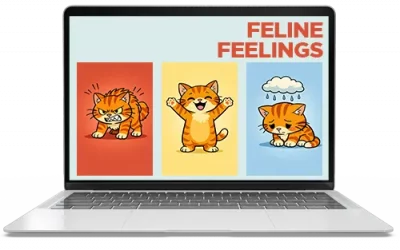
How to Use the Feline Feelings Web App in Therapy Sessions The Feline Feelings web app is a simple, visual therapy-card tool designed to help children, young people, families, and adults explore feelings in a gentle and accessible way. The cat illustrations can make...

The World of the Inner Child Tutorial
How to Use “The World of the Inner Child” Therapy Card App The World of the Inner Child is an interactive therapy card app designed to help therapists, counsellors and clients explore younger parts of the self in a gentle, visual and collaborative way. The app can be...
Wino Casino 85 Free Spins On Registration Only United Kingdom
My Take on the Wino Casino 85 Free Spins on Registration Only United Kingdom Offer I used to stand behind a felt table for a living, dealing cards until 4 AM. You learn to spot the good games from the bad ones fast. That same instinct kicks in when I look at online...
Best Welcome Bonus No Deposit 2026 Uk Claim Today
My Paranoid Player’s Guide to the Best Welcome Bonus No Deposit 2026 UK Claim Today Look, I’ll be honest with you. I’ve been burned before. A few years back, I signed up to a shiny-looking casino that promised the world. They gave me a no deposit bonus, I won a few...
Barbados Casino Uk 2026 Review And Free Spins
My Barbados Casino UK 2026 Review and Free Spins Deep-Dive: A Tester’s Perspective I’ve been testing casinos for over a decade. I look at the numbers, the withdrawal speeds, the fine print. When I heard about the latest refresh for 2026, I had to put it through my...
Ddc Codes Uk 2026 Best Bingo And Casino Bonuses
Casual Slots, Big Wins: Finding ddc codes uk 2026 best bingo and casino bonuses So, it’s been a long week. The kind where you just want to crash on the sofa, maybe put on some background music, and spin a few reels without any stress. That is me most nights. I am not...
Mobile Slots Uk 2026 Instant Play Win Real Money
Mobile Slots UK 2026 Instant Play Win Real Money: The Investigative Report Let me cut through the noise. You are looking for mobile slots UK 2026 instant play win real money options. That is a specific demand. Most affiliate sites will feed you fluff. I am here to...